
Uterine fibroids
Uterine fibroids: understand every option, including UFE.
Fibroids are common, non-cancerous growths in the muscle of the uterus. Many cause no symptoms. Others cause heavy periods, pelvic pressure, or frequent urination. This guide explains the condition and every way to treat it, so you can talk with your doctor about all of them.
Written and reviewed by Varun Danda, MD, interventional radiology resident physician. Every page cites its sources.
Understand fibroids
Start here if you were just told you have fibroids.
Your imaging
Treatment options
Medicine, image-guided procedures, and surgery, side by side.
Compare options
UFE compared with surgery
Spotlight: uterine fibroid embolization (UFE)
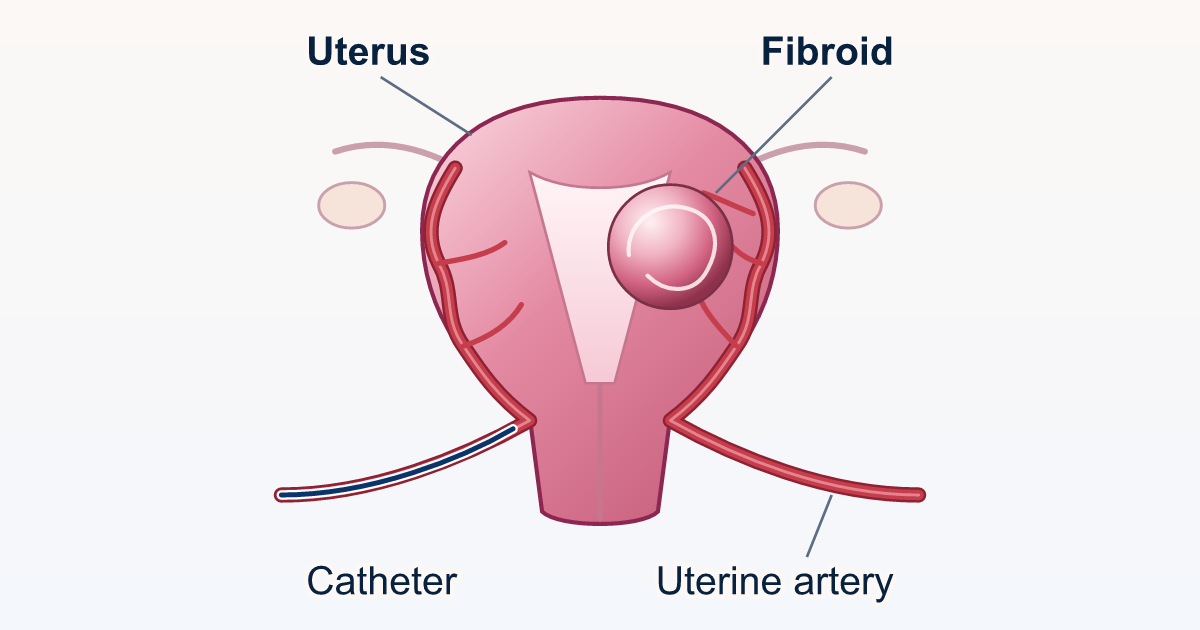
UFE is done by an interventional radiologist. A small catheter goes through an artery in the wrist or groin to the uterus, and tiny particles slow the blood flow that feeds the fibroids. The fibroids shrink, and the uterus stays in place. Read how UFE works.
Cost and preparing for your visit
Know what to ask, and what your plan may cover.
Cost and coverage
Questions for your doctor
Finding a specialist
Find a specialist near you
Generate privacy-safe local search links for OB-GYNs and Interventional Radiologists near you to bring your consult packet to.
Your local specialist search links:
ProcedurePath does not recommend, rank, endorse, refer, book, or match users with clinicians. These external search links are shortcuts for discussion with your own clinician.
Common questions.
What are fibroids?
Fibroids are growths of muscle tissue in the wall of the uterus. They are almost never cancer. Many cause no symptoms. Others cause heavy periods, pelvic pain or pressure, or frequent urination.
Do fibroids always need treatment?
No. Fibroids that do not cause problems often only need to be watched. Treatment is usually for heavy bleeding, pain, pressure, or concerns about fertility.
What is uterine fibroid embolization (UFE)?
UFE is a procedure done by an interventional radiologist. A small catheter is passed through an artery in the wrist or groin to the uterus, and tiny particles slow the blood flow that feeds the fibroids. The fibroids then shrink, and the uterus stays in place.
How do I find out if UFE is an option for me?
Ask your gynecologist about all of your options, or ask for a referral to an interventional radiologist for a UFE consult. Bring any pelvic ultrasound or MRI reports.
What if my symptoms feel urgent?
Call 911 or go to the nearest emergency department for very heavy bleeding, fainting, chest pain, shortness of breath, or sudden severe pain.
Talk with your doctor. This guide is education only. It does not diagnose or recommend a treatment for you. ProcedurePath does not collect your email, health details, or answers. Read the full medical disclaimer.